How to Turn Institutional Know-How Into a Business Asset That Outlasts Any Individual
The Knowledge That Walks Out the Door
Every business depends on knowledge. The question is not whether that knowledge exists; it does, accumulated through years of experience, mistakes, client interactions, and hard-won operational insight. The question is where it lives. In most small and mid-sized businesses, the answer is uncomfortable: it lives primarily in the heads of a small number of individuals. The founder knows the client relationships and the pricing logic. A senior manager knows how to navigate the most complex delivery challenges. A long-serving team member knows where everything is and how everything works. The business functions, but it functions because of people, not because of systems.
Structural capital is the asset class that changes that equation. It is the codified knowledge, processes, systems, and intellectual property that exist independently of any individual employee i.e., the institutional memory that stays with the organization regardless of who comes or goes. Building strong structural capital is not about replacing the value of talented people. It is about ensuring that the value those people create does not disappear when they move on. It is the mechanism by which individual expertise becomes organizational capability.
What Structural Capital Actually Includes
Structural capital encompasses a wide range of assets that sit within the organization. Processes and standard operating procedures are the most immediately visible component such as documented workflows, decision trees, and quality standards that define how work gets done reliably. These can be simple or sophisticated, but the key characteristic is that they exist in a form that does not require a specific person to decode them. A new team member should, in principle, be able to follow them and produce a consistent result.
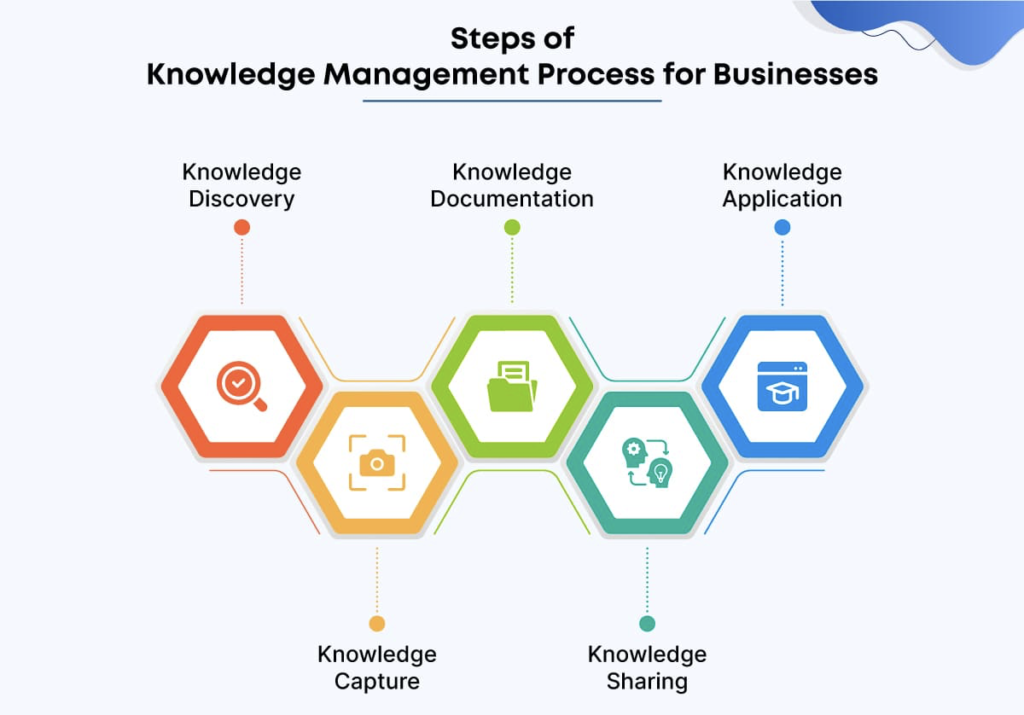
Beyond processes, structural capital includes technology infrastructure like CRM systems, ERP platforms, proprietary tools, and integrated data environments that hold operational information, automate repetitive tasks, and create leverage across the business. It includes intellectual property in the formal sense: patents, trademarks, registered designs, trade secrets, and proprietary methodologies that have been protected through legal instruments. And it includes knowledge management assets like databases, wikis, internal libraries, and documented institutional memory that capture what the organization has learned over time in a form that others can access and build upon.
The Real Cost of Tribal Knowledge
The alternative to structural capital is tribal knowledge and most businesses rely on it more than they realize. Tribal knowledge is information passed through observation, conversation, and informal apprenticeship rather than through documented systems. It is how new hires learn by sitting next to experienced colleagues for months. It is why certain decisions always get escalated to the same person. It is the reason that when a key employee leaves, the team spends weeks or months rediscovering things that were never written down.
The operational cost of tribal knowledge is significant: slower onboarding, inconsistent execution, time lost to repetitive questions and rediscovery, and a permanent drag on leadership attention. But the strategic cost is even greater. A business whose core processes and knowledge exist only in people’s heads is, in effect, renting its own capability. That capability can walk out the door at any time, and with it goes a portion of the organization’s effective operational capacity. From an investor or acquirer’s perspective, this represents risk and that risk is priced into valuations.
From Tribal Knowledge to Institutional Asset: A Practical Roadmap
Building structural capital does not require a large transformation program. It requires a deliberate, sequenced approach that begins with the areas of highest operational risk. The starting point is an honest inventory: which processes, relationships, and decisions are currently dependent on specific individuals? Where would the business experience immediate disruption if one person became unavailable? These are the structural capital gaps that carry the most urgency.
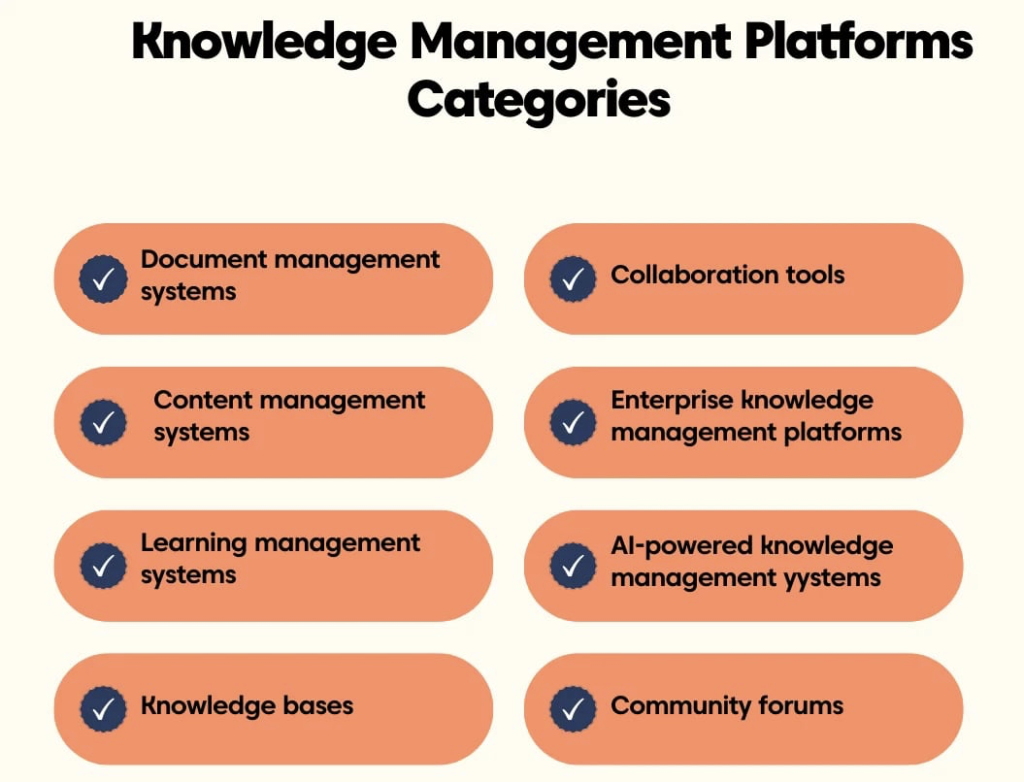
From there, the work is one of progressive capture and systematization. Priority processes are documented – not perfectly, but usably. The goal is to transfer the key decisions, steps, quality standards, and exception-handling logic from memory into a format that a competent person can follow. This documentation is then embedded into the technology infrastructure where it will actually be used. A process that lives in a shared drive is far less effective than one that is built into the tools people already use every day. As the foundation develops, formal protections for intellectual property become increasingly important: ensuring that proprietary methods are legally assigned to the business rather than to individuals, and that confidentiality agreements are in place wherever sensitive knowledge is involved.
The Scalability Connection
There is a direct and underappreciated relationship between structural capital and a business’s ability to scale. Scaling requires the ability to do the same things, to the same standard, with more people, in more locations, or across a larger volume of work. That repeatability is only possible when the knowledge required to perform critical activities is accessible, teachable, and independent of any particular individual’s presence.
Businesses that attempt to scale without first building structural capital typically encounter the same set of problems: quality becomes inconsistent as more people are involved in delivery, onboarding becomes a bottleneck as new hires struggle to get up to speed, leadership attention is consumed by operational firefighting rather than strategic direction, and the founder or senior leadership team find themselves more indispensable rather than less as the business grows. The solution is not to hire different people. It is to build the systems that allow good people to perform consistently.
Structural Capital as a Valuation Driver
For business owners with any eye on a future exit, leadership transition, or even simply a more independent and sustainable operation, structural capital is one of the most direct levers available. Buyers and investors price risk. A business that depends on its current owner or a handful of key people for its operational continuity carries significantly more risk than one with well-documented systems and transferable processes and that risk differential translates directly into valuation multiples. All other things being equal, businesses with strong structural capital command higher multiples at exit, attract better candidates for leadership succession, and complete transitions more smoothly.
The time to build structural capital is not immediately before a transaction or transition. By then, it is too late to do it properly, and any buyer conducting due diligence will see through hasty documentation. The time to build it is now; gradually, systematically, as a normal part of how the business operates. Every process documented, every piece of IP protected, and every piece of institutional knowledge captured is an investment in the long-term value and resilience of the organization.
About the Author
Bernd brings 35 years of executive and entrepreneurial experience to every transaction with leaders and owners of small to medium-size businesses. As an operational expert we focus on strategic direction, leadership development and successful execution to fulfill our clients personal and professional vision.