Building the Operating System That Determines Whether Strategy Becomes Reality
Every Organization Has an Operating System
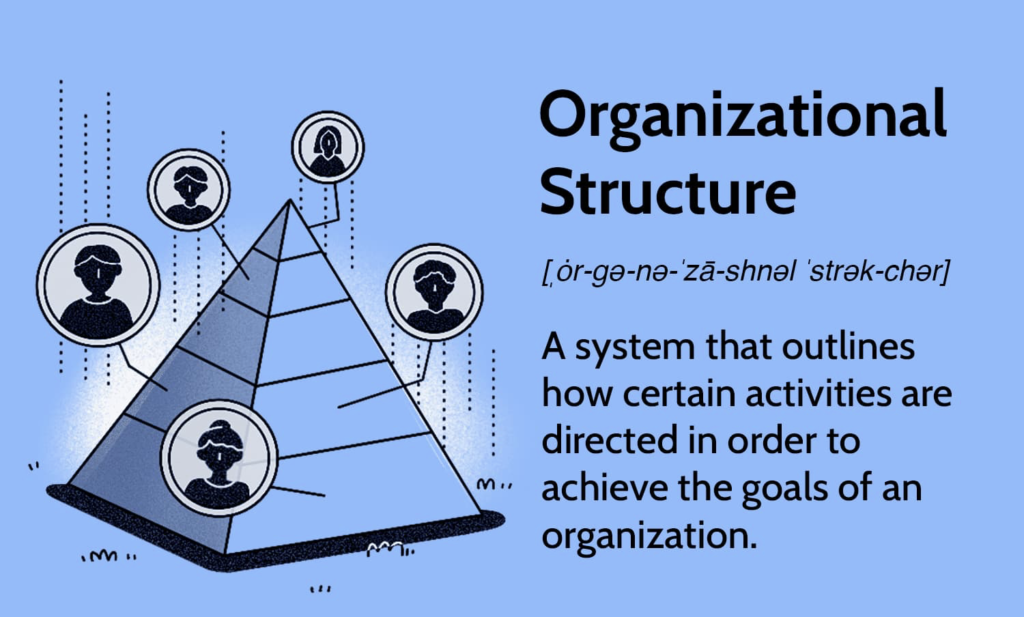
Every business runs on an operating system. Not a software platform, but a set of rules, habits, structures, and norms that determine how decisions get made, how information flows, how accountability is assigned, how priorities are set, and how teams coordinate their work. In high-performing organizations, this operating system is visible, intentional, and aligned with the strategic direction of the business. In most organizations, it has simply evolved through historical precedent, the preferences of early leaders, and accumulated informal practice, without ever being deliberately designed.
Organizational capital is the intangible asset made up of those operating structures and management systems. It is what allows a business to leverage its capabilities and take the talent, knowledge, and resources it has assembled and convert them into coherent, strategic, consistent action. Without strong organizational capital, even a highly talented team with excellent structural systems will underperform its potential. The gap between what an organization is capable of and what it actually delivers is, in most cases, an organizational capital gap.
More Than Culture
When leaders hear the phrase ‘organizational capital’, many immediately think of culture as the values, behaviors, and atmosphere of the workplace. Culture is certainly one dimension of organizational capital, and an important one. But the concept is considerably broader, and focusing only on culture while ignoring the structural components can leave critical gaps.
Organizational capital encompasses the full architecture of how the business operates as a system. This includes decision rights such as the explicit or implicit rules about who is authorized to decide what, at what level, and with what process. It includes organizational design of how roles, teams, and reporting relationships are structured, and whether that structure supports or inhibits the current strategic priorities. It includes the strategic rhythm of the organization, the regular cadences of planning, review, and course correction that ensure the business is continuously learning from its performance and adjusting accordingly. And it includes the communication and accountability mechanisms that connect individual effort to collective outcome.
When Strategy Fails to Execute
One of the most common and frustrating experiences in leadership is watching a clear, well-reasoned strategy fail to materialize in actual results. The direction seems right. The people seem capable. The resources appear sufficient. And yet execution is uneven, priorities drift, and the organization ends up doing something subtly different from what was intended. This is rarely a motivation problem or even primarily a talent problem. It is almost always an organizational capital problem.
When decision rights are unclear, people either escalate unnecessarily by consuming leadership time and slowing response or act unilaterally in ways that are misaligned with strategic intent. When organizational design is misaligned with strategy, teams optimize for their own functional objectives rather than the broader business goal. When the strategic rhythm is weak or absent, good plans are made and then forgotten as the urgency of daily operations takes over. When communication and accountability mechanisms are absent, there is no reliable way for leadership to know whether the strategy is actually being executed, or where the gaps are.
Culture That Actually Works
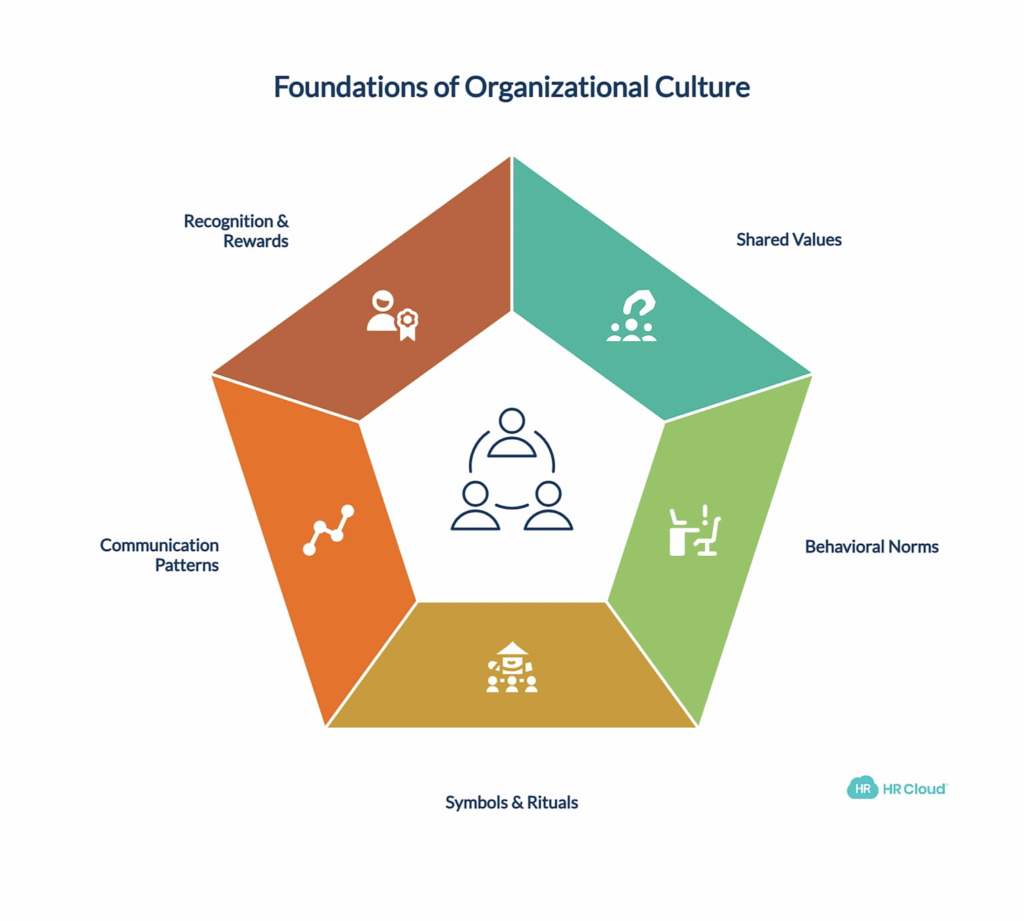
Returning to culture: it is only effective as an organizational asset when it is deliberately designed and operationally embedded, rather than simply declared. Many organizations have a set of stated values displayed prominently, but those values have no operational presence. They are not reflected in how people are hired, what behaviors are recognized and rewarded, how performance is assessed, or how leadership conducts meetings and makes decisions. In those organizations, culture exists as aspiration but not as capital.
Strong organizational capital requires culture to be made real through systems. Hiring criteria should explicitly select for cultural alignment, not just technical competence. Onboarding should transmit values and operating norms alongside role-specific training. Performance management should reinforce the behaviors that reflect the culture, not just the outputs that reflect the targets. When culture is operationalized in this way, it becomes self-reinforcing i.e., each new hire absorbs it, each promotion validates it, and each leadership decision exemplifies it. That is when culture becomes a genuine competitive asset.
Decision Rights and Organizational Design
Two of the most practical and highest-leverage components of organizational capital are decision rights and organizational design. Decision rights are the explicit definition of who is authorized to make which categories of decisions, at what level, and through what process. In many businesses, this is entirely implicit and the implicit version is almost always sub-optimal. Some decisions are made too high in the organization, consuming senior leadership time with matters that could and should be resolved by capable front-line managers. Other decisions are made too low, by people who lack the full context or authority to make them well. The result in both cases is slower execution, misalignment, and leadership frustration.
Organizational design – the structure of roles, teams, and reporting relationships – should be revisited every 18 to 24 months as a matter of course, and whenever strategic priorities shift significantly. The structure that was right for a business at one stage of growth or strategic focus is rarely still optimal two or three years later. A structure built around the founders’ initial skill sets may not serve a business that has grown to fifty people and is executing a more complex strategy. Designing structure deliberately, and revisiting it regularly, is one of the most impactful things leadership teams can do to improve organizational performance.
Strategic Rhythm and the Compounding Effect
Perhaps the most underrated component of organizational capital is what might be called the strategic rhythm which is the regular, structured cadences of planning, review, and course correction that keep the organization aligned and learning. This typically includes an annual strategic planning cycle, quarterly operational reviews against agreed priorities, monthly leadership team check-ins on performance and emerging issues, and weekly team-level operational rhythms. Organizations with a disciplined strategic rhythm consistently outperform those without one, because they have a built-in mechanism for identifying gaps, adjusting priorities, and maintaining alignment as circumstances change.
The compounding effect of strong organizational capital over time is significant. Each improvement in decision clarity reduces wasted effort. Each strengthening of the strategic rhythm improves the organization’s ability to learn and adapt. Each operationalization of culture reduces the dependence on any individual leader to hold the organization together through force of personality. Over time, these improvements accumulate and the result is an organization that performs more consistently, develops leaders more reliably, and sustains its performance through transitions and disruptions that would destabilize a less well-structured business.
Building Organizational Capital Deliberately
Unlike structural capital, which can often be built through specific documentation and systems projects, organizational capital requires sustained leadership attention and a willingness to examine and redesign the operating norms of the business itself. That can feel uncomfortable as it often involves surfacing implicit rules, challenging long-standing practices, and having honest conversations about how decisions are actually being made versus how they should be made. But the return on that investment is substantial.
A useful starting point is an honest assessment of the four core components: decision rights (are they clear and correctly placed?), organizational design (does the structure support the current strategy?), culture (is it deliberate, operational, and self-reinforcing?), and strategic rhythm (is there a regular, disciplined cadence of planning, review, and accountability?). Each gap identified is an opportunity. And each improvement made is an investment in the kind of organizational capital that compounds quietly in the background producing better decisions, more consistent execution, and ultimately a more valuable and resilient business.
About the Author

Bernd brings 35 years of executive and entrepreneurial experience to every transaction with leaders and owners of small to medium-size businesses. As an operational expert we focus on strategic direction, leadership development and successful execution to fulfill our clients personal and professional vision.